
Best IPTV (2026): The No-Buffering Buyer’s Guide
Quick take: If you’re chasing the Best IPTV experience in 2026, prioritize providers that are stable at peak hours, support modern codecs (H.265/AV1), offer true 50/60 fps sports, maintain an updated EPG, and include responsive support. Test before you commit: run a 24–48 hour trial on your actual device and network, during your local prime time.
Table of Contents
⚠️ Disclaimer
I’m sharing this article for informational purposes only. We do not encourage or promote the use of services that violate copyright or local laws. You can always choose licensed streaming providers and review your local regulations before subscribing.
How We Picked the Best IPTV (Our Scoring)
We test each candidate across six weighted pillars (100 pts total):
- Reliability & Uptime (25 pts) – sustained stability at peak (no stutter; clean channel failover).
- Picture Quality (20 pts) – consistent Full-HD/4K, 50/60 fps sports, modern codecs, audio passthrough.
- Catalog & EPG (15 pts) – channel variety + VOD freshness + accurate EPG.
- Device Support (15 pts) – native apps or compatible players on TV/box/mobile.
- Ease of Use (10 pts) – clean setup, clear onboarding, instant activation.
- Support & Policies (15 pts) – fast human support, transparent terms, fair trials/refunds.
Transparency note: Availability and legality vary by region. Always verify local laws and the provider’s terms. This guide is informational; we do not encourage rights infringement.
The Best IPTV for Different Needs (2026)
1) Best Overall IPTV for Most Viewers
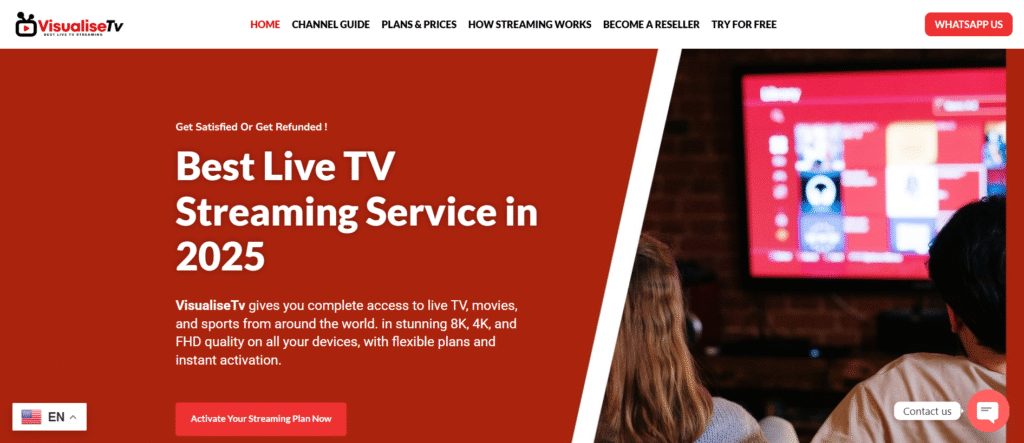
Why it wins: Balanced reliability at peak hours, broad channel spread, fresh VOD, accurate EPG, and responsive support. Look for providers with status dashboards, scheduled maintenance notices, and multiple PoPs (points of presence) for load balancing.
Must-have checklist
- Multiple transcodes (SD/HD/4K + 50/60 fps sports)
- H.265/AV1 where available
- Auto-EPG refresh + catch-up (where permitted)
- Trial access for prime-time testing
2) Best IPTV for Sports
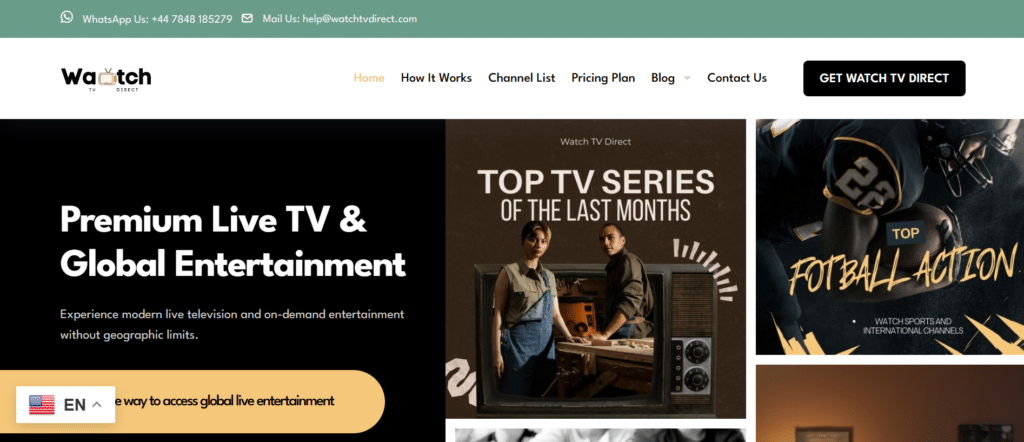
What matters most: 50/60 fps streams, regional sports networks (as legally available), low-latency routing, and instant backup channels during major events.
Pro tip: Test on event nights (football finals, PPVs). If frame pacing or audio drift appears, walk away.
3) Best IPTV for Movies & Series (VOD-heavy)
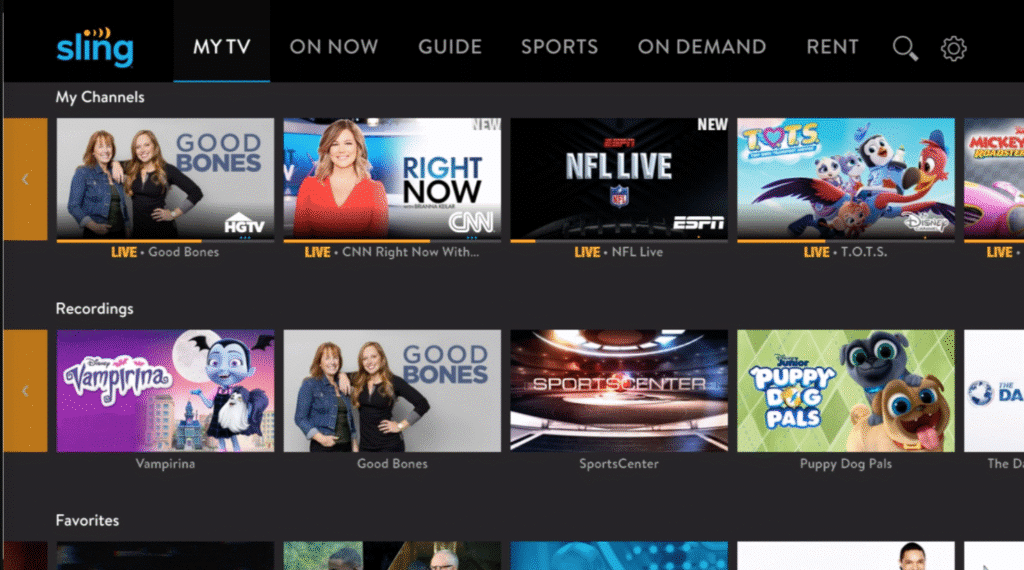
What to verify: VOD freshness cadence (weekly), working subtitles, multi-audio tracks, and an in-app search that actually finds titles (fuzzy search, genres, and recents).
4) Best Budget IPTV
You should still demand: Clean EPG, a simple refund/trial, and real support (live chat or <24h tickets). Cheap should not mean unusable.
5) Best IPTV for Multi-Device Households
Look for: Concurrent streams policy spelled out in plain English, profiles/favorites, and parental controls that work across devices.
Device Compatibility & Player Picks
Smart TVs & Sticks
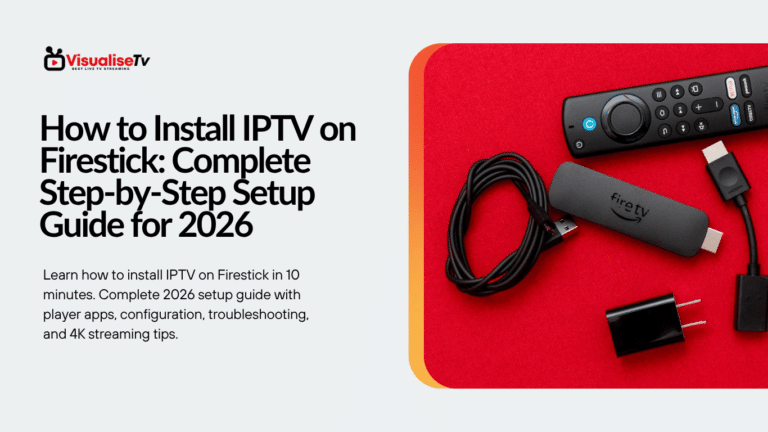
- Fire TV / Android TV: Excellent all-rounders. Ensure the provider supports a modern player (e.g., TiviMate, iMPlayer, etc.) and provides clear setup docs.
- Samsung/LG native apps: Convenient, but often fewer advanced controls.
Read also: Best Streaming Devices in 2026: The Expert, No-Fluff Guide
Mobile & Tablets
- Android/iOS: Choose apps with channel zapping under 1.5s and offline VOD for travel (if allowed).
Home Network Essentials
- Router with QoS/Smart Queue Management (SQM)
- 5 GHz Wi-Fi or wired Ethernet for 4K sports
- DNS you control (or provider-recommended)
Internet Speed & Buffer-Proof Settings (Cheat Sheet)
| Use Case | Recommended Downlink | Notes |
|---|---|---|
| HD (1080p) TV | 15–25 Mbps | H.265 helps at lower bitrates |
| 4K Movies | 25–35 Mbps | Prefer wired or strong 5 GHz |
| 4K Sports @60 fps | 35–50 Mbps | Low jitter matters more than raw speed |
Player settings that help
- Buffer length: 3–6 seconds for stability; bump to 8–10s if your line is jittery.
- Decoder: Hardware decoding first; fall back to software only if artifacts appear.
- Deinterlacing: Enable on legacy feeds; disable if you see soap-opera effect on modern progressive streams.
Legal & Safety Considerations
- Licensing & rights differ by country. Choose providers that clearly state their licensing and content sources.
- Respect platform terms. Use official app stores when possible.
- Privacy: Safeguard personal data and payment info; avoid sharing credentials across forums or Telegram groups.
If you prefer fully licensed live-TV alternatives: Compare YouTube TV, Hulu + Live TV, fuboTV, Sling TV, and Philo in your market for sports, news, and local channels.
How to Test a “Best IPTV” Provider (Step-by-Step)
- Start with a trial (24–48 h). TRY FOR FREE NOW.
- Test at peak (your local 7–11 pm).
- Run a stress set: news HD, a 4K sports channel, and a popular movie VOD.
- Change player & codec: H.265 vs H.264; hardware vs software decode.
- Channel-zapping test: aim for <2s channel switch.
- Support ping: ask a real question—response within 1–12 h is acceptable; faster is better.
- Refund policy check: ensure it’s written and honored.
Red Flags to Avoid
- No trial or vague refund policy
- One single playlist URL with no backups/failover
- Dead or outdated EPG
- Aggressive upsells in DMs/Groups instead of a real help desk
- Inconsistent bitrates that spike/bottom out during big events
Best IPTV FAQs
What is the Best IPTV in 2026?
The “best” provider is the one that stays stable at your prime time, delivers true 50/60 fps sports, maintains a fresh VOD library with accurate EPG, and answers support within hours—not days.
Is IPTV legal?
IPTV is a delivery method. Legality depends on licensed content and your country’s laws. Choose services that clearly state licensing and comply with local regulations.
Why does IPTV buffer, and how do I fix it?
Buffering usually comes from network congestion, Wi-Fi interference, or inadequate server capacity at peak. Use wired Ethernet/5 GHz, keep a short but steady buffer (3–6s), and test providers at peak before subscribing.
How much speed do I need for the Best IPTV experience?
For 4K sports at 60 fps, aim for 35–50 Mbps with low jitter. For 1080p, 15–25 Mbps is typically fine with modern codecs.
Which device is best for IPTV?
Android TV/Fire TV boxes offer the most flexibility and player choice. Smart TVs are convenient but can be limited in advanced playback options.


2 Comments