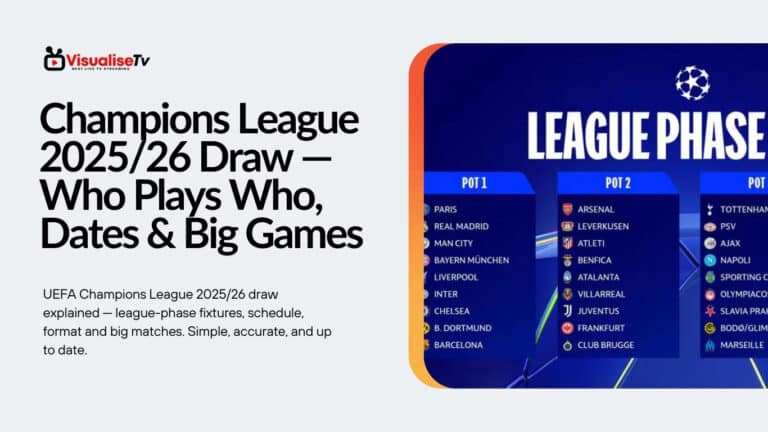
Champions League 2026: The Knockout Stage That Could Change European Football Forever
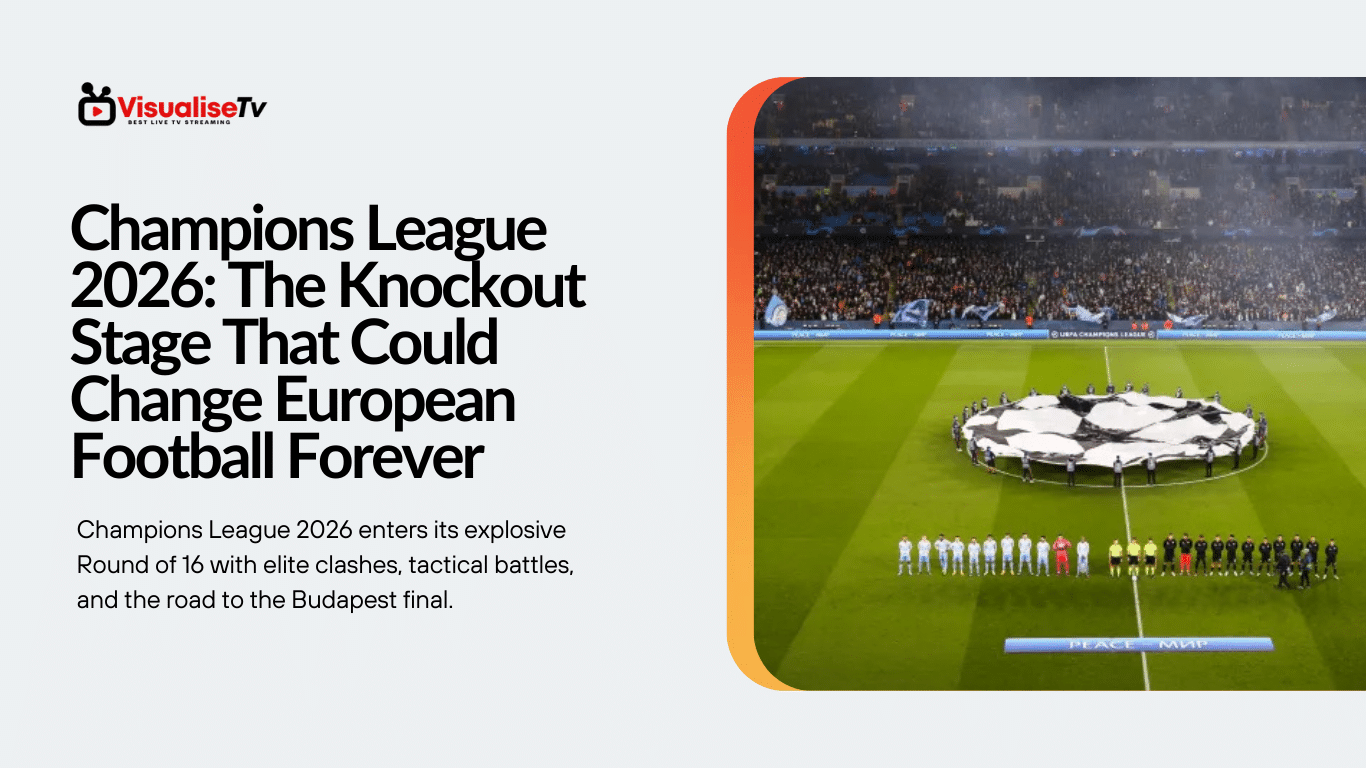
A New Era for the UEFA Champions League
The UEFA Champions League has reached its most decisive stage of the 2025–2026 season.
After months of competition under a completely redesigned format, Europe’s elite clubs now enter the Round of 16, where the smallest tactical detail or moment of brilliance can decide the fate of giants.
For decades, the Champions League followed a predictable structure:
group stages followed by knockout rounds.
But starting in 2024, UEFA introduced a Swiss-style league system, expanding the tournament to 36 clubs and significantly increasing competitive volatility.
This change is already producing one of the most unpredictable knockout phases in modern European football.
Source:
https://www.uefa.com/uefachampionsleague/
The New Champions League Format Explained
The competition now operates under a radically different structure.
| Feature | Old Format | New Format |
|---|---|---|
| Teams | 32 | 36 |
| Group Stage | 8 groups | Single league table |
| Matches | 6 | 8 |
| Qualification | Top 2 per group | Top 8 direct + playoffs |
The result is a far more complex competitive ecosystem.
Instead of predictable paths, clubs must now survive:
- A demanding league phase
- A knockout playoff
- The Round of 16 and beyond
This system dramatically increases the probability that major clubs collide earlier than expected.
The Match That Defines the Tournament
Real Madrid vs Manchester City


Few rivalries in modern football carry the same intensity as the recurring clashes between Real Madrid and Manchester City.
Over the last decade, these two clubs have defined the tactical evolution of European football.
Tactical contrast
| Tactical Identity | Real Madrid | Manchester City |
|---|---|---|
| Philosophy | Reactive brilliance | Positional dominance |
| Key strength | Transitions | Possession control |
| Managerial influence | Elite experience | Tactical innovation |
Under Pep Guardiola, Manchester City has refined positional play to near perfection.
Meanwhile, Real Madrid has built a reputation for thriving under pressure, especially in knockout matches.
Historically, the Spanish club holds the psychological advantage, having produced several dramatic eliminations in recent years.PSG vs Chelsea: A Battle for European Legitimacy


Another fascinating matchup features Paris Saint-Germain against Chelsea FC.
Both clubs represent modern football superprojects, heavily invested in building squads capable of conquering Europe.
The decisive figure may once again be Kylian Mbappé.
Few players combine:
- explosive acceleration
- elite finishing
- big-game mentality
His performances in knockout football consistently place him among the most dangerous players in the world.
Liverpool vs Galatasaray: Football Meets Controversy


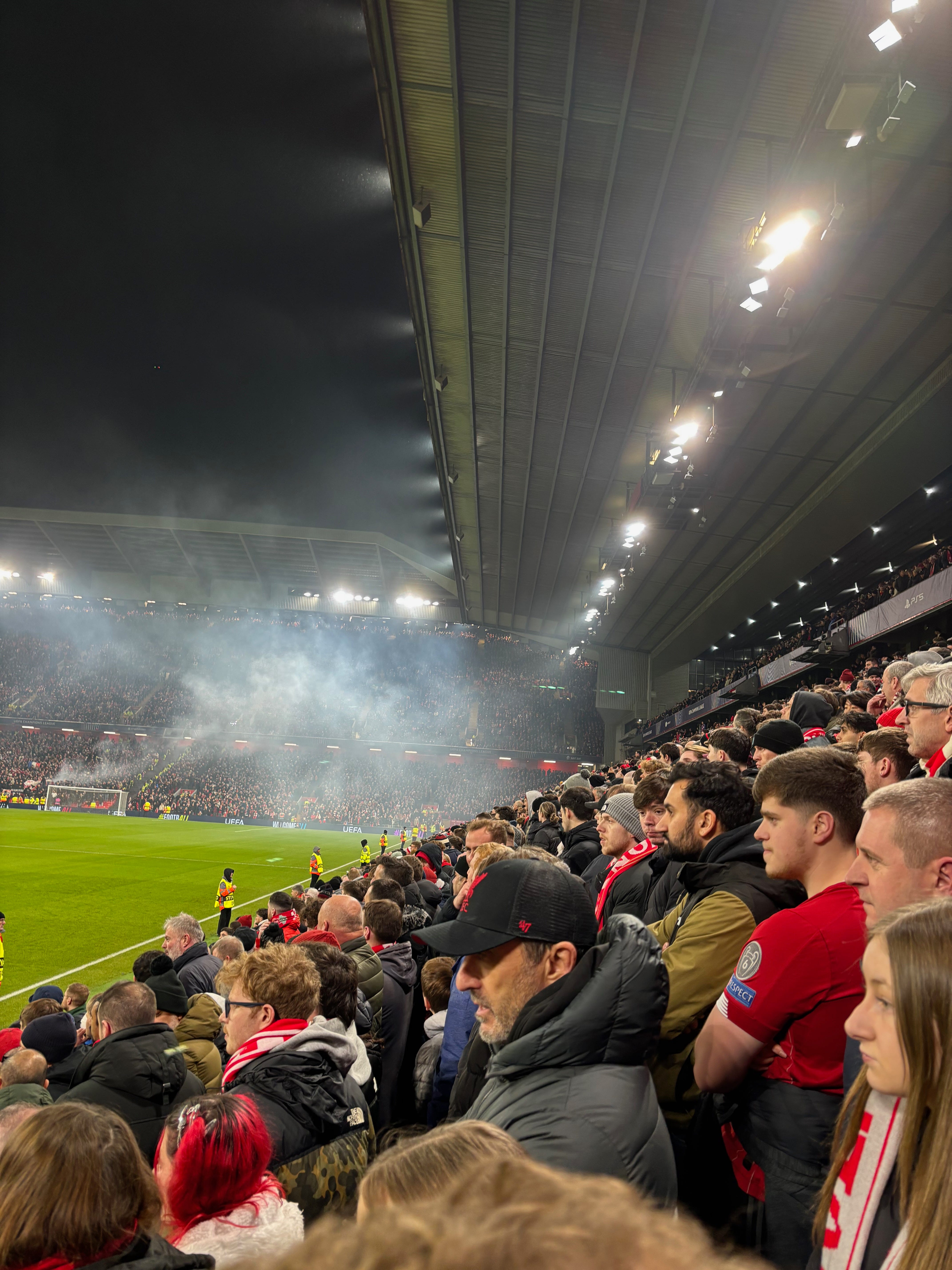
The tie between Liverpool FC and Galatasaray has already generated headlines.
The UEFA imposed restrictions on travelling supporters after incidents involving fireworks during previous matches.
Despite this controversy, Liverpool remains a formidable opponent at Anfield, a stadium widely regarded as one of the most intimidating environments in European football.
The Tactical Trends Dominating the 2026 Champions League
Modern football has become increasingly data-driven and tactically sophisticated.
Several strategic trends now dominate the Champions League.
1. Hybrid defensive systems
Teams frequently shift between 4-3-3 and 3-2-5 structures during possession phases.
2. Aggressive pressing
High pressing is now one of the primary sources of goals.
According to UEFA technical reports, a growing percentage of goals originate from high turnovers in the opponent’s half.
3. Positional fluidity
Elite teams no longer rely on static positions.
Players rotate dynamically to create numerical advantages between defensive lines.
Statistical Snapshot of the 2026 Tournament
While football remains unpredictable, advanced metrics offer insight into potential outcomes.
| Team | Goals Scored | xG | Possession Avg |
|---|---|---|---|
| Real Madrid | 22 | 19.3 | 56% |
| Manchester City | 24 | 21.8 | 63% |
| Bayern Munich | 21 | 20.1 | 58% |
| PSG | 23 | 20.5 | 57% |
These metrics highlight the dominance of possession-based teams, although knockout football often rewards defensive resilience.
The Road to the Budapest Final


The 2026 Champions League final will be played at Puskás Aréna in Budapest.
Key facts:
- Capacity: ~67,000
- Date: 30 May 2026
- One of Europe’s most modern stadiums
Budapest previously hosted the UEFA Europa League Final 2023, demonstrating its capability to stage major international events.
Who Are the Real Favorites?
Based on squad depth, tactical cohesion, and historical performance, analysts generally consider four clubs as the primary contenders.
Top contenders
- Real Madrid
- Manchester City
- Bayern Munich
- Paris Saint-Germain
However, the Champions League is famous for producing unexpected champions.
Momentum, injuries, and tactical adjustments often play a larger role than preseason predictions.Why This Champions League Season Feels Different
Several factors make the 2026 edition unique:
- The new competition format
- Tactical innovation across Europe
- Increasing financial parity between clubs
- Rising influence of analytics and data
As a result, the tournament feels less predictable than ever before.
Even traditional powerhouses cannot rely solely on reputation.
Final Thoughts
The knockout phase of the UEFA Champions League 2026 promises drama, tactical brilliance, and unforgettable moments.
With elite clubs already facing elimination in the Round of 16, the path to the final in Budapest will likely produce some of the most intense matches in recent memory.
For football fans around the world, the coming weeks represent the essence of European football:
unpredictable, emotional, and relentlessly competitive.
FAQ
When is the Champions League final 2026?
The final will be played on 30 May 2026 in Budapest.
Where is the 2026 Champions League final stadium?
The final will take place at Puskás Aréna in Hungary.
How many teams are in the new Champions League format?
The competition now features 36 teams.
Sources
UEFA Official Website
https://www.uefa.com/uefachampionsleague/
Reuters Sports
https://www.reuters.com/sports/soccer/
UEFA Competition Format Explanation
https://www.uefa.com/news/